The aftercare you should plan after mole removal is a simple routine for the treated spot, a clear idea of what to watch for, and a follow-up arrangement that fits your travel dates, and Miri Clinic in Gangdong, Seoul describes a post-treatment care process for this. The details of your own routine depend on the mole, the method your doctor chooses, and your skin, so they are set at consultation rather than from a general checklist. This article focuses on one thing: how a visitor from abroad can organise the days after the procedure. For the wider picture of the treatment itself, see What Should International Patients Know About Mole Removal?
What should I settle before the procedure so aftercare works on a trip?
Settle three things before the day itself: which method will be used, what the treated area is likely to need afterwards, and when you can be seen again. These answers shape every later decision, and they are given at consultation, not guessed in advance. Because you may fly home soon after, it helps to ask these questions while you are still in Seoul.
Miri Clinic's own materials say that its doctors consider skin condition, thickness and overall impression before suggesting a direction, and that they decide carefully after consultation and checking. Its materials also say it has a post-treatment care process and explains the recovery course. Ask your doctor to put the instructions for your specific spot into plain words you can keep on your phone.
- Ask what the treated spot may look and feel like in the first days, and what counts as an ordinary reaction for you.
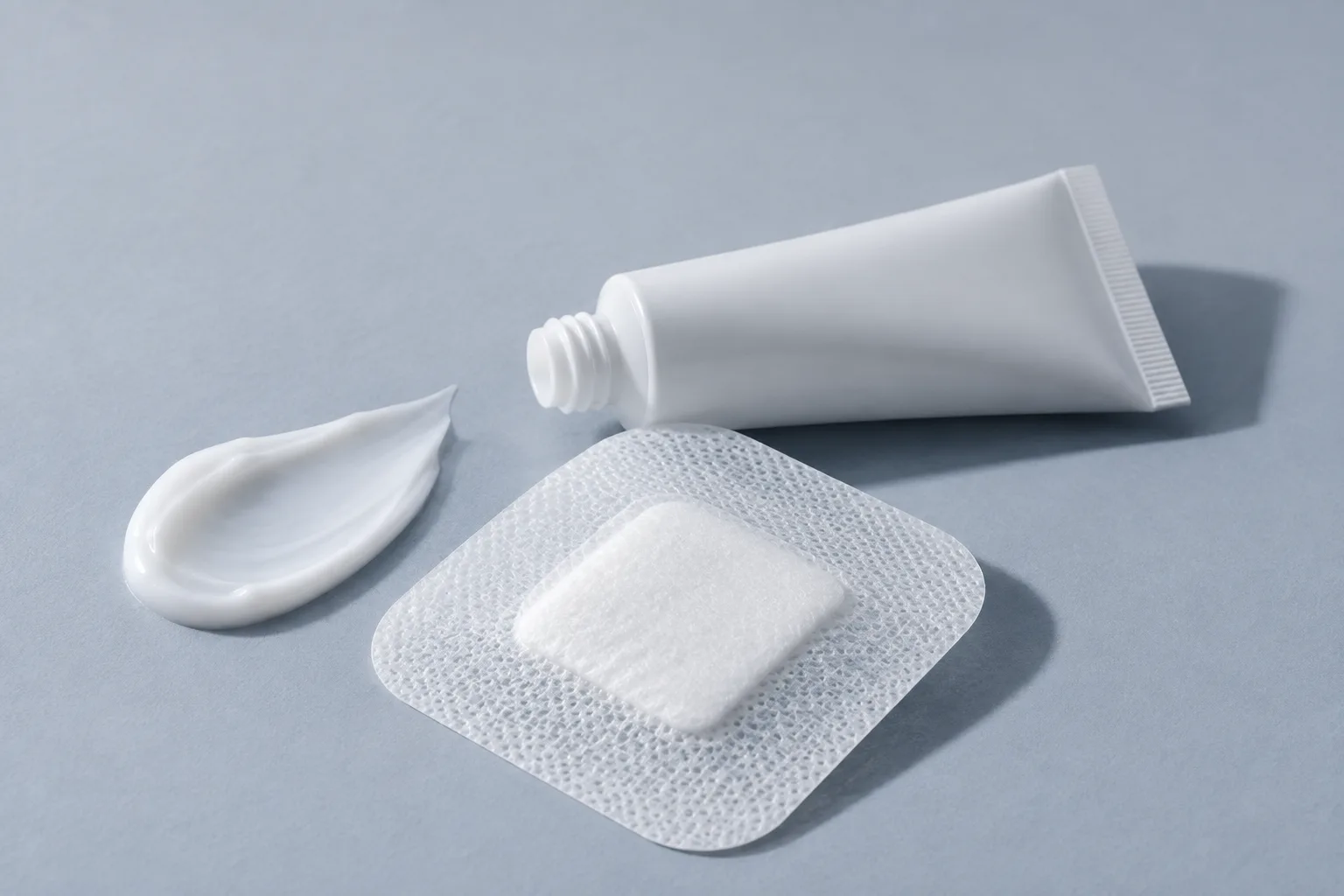
- Ask how the area should be cleaned and protected, and whether a covering is needed.
- Ask what products to avoid on the spot while it settles.
- Ask who to contact, and how, if something looks different from what you were told.
What does day-to-day care of the treated spot usually involve?
In general, aftercare for a small skin procedure centres on keeping the area clean, protecting it from rubbing and sun, and not picking at it. The exact steps are your doctor's to give, because they vary with the method and the location on your body. Follow the written or spoken instructions you receive rather than a generic guide.
A few practical points matter more for travellers than for people at home. Sun exposure on a sightseeing day, a swimming pool at a hotel, a long flight in dry cabin air, or a bag strap rubbing a shoulder can all affect a freshly treated spot. Think about where on your body the mole was, and match your itinerary to it. If the spot is on your face, plan for shade and a hat. If it is on your back or torso, think about clothing that does not rub and about swimming plans. Ask your doctor specifically about sun protection, makeup over the area, and when ordinary skin care can resume.
Avoid adding new products to the area during the trip unless your doctor agrees. A new sunscreen or cream bought in a hurry is one more variable if the skin reacts.
What should I watch for, and when should I contact the clinic?
Watch for anything that differs from what your doctor described, and contact the clinic early rather than waiting until you are home. Redness, tenderness or a changing look at the spot can have several explanations, and only an examination can tell them apart. Skin reactions are common and individual, so the useful habit is to compare what you see with what you were told to expect.
One general point is worth knowing. Research reviews note that moles can show visible changes after unrelated treatments that pass over them, such as laser hair removal, and that these changes can resemble features seen in atypical lesions. This is one reason your doctor will want to assess a mole before treating it, and it is a good reason to tell any clinician about moles you have had treated or that have changed. It is also why you should not treat an area yourself, or assume a change is harmless, without having it looked at.
- Take a clear photo of the spot on the day of treatment, in daylight, so later changes are easier to describe.
- Note the date and the instructions you were given.
- Keep the clinic's phone number and messaging channel where you can find them offline.
How do clinic hours and location affect my follow-up plan?
Clinic hours decide which days you can realistically return, so plan your treatment day around them rather than the other way round. Miri Clinic is open Monday, Wednesday and Friday from 10:00 to 19:00, Tuesday from 10:00 to 20:00, Thursday from 14:30 to 20:00 and Saturday from 10:00 to 15:00. It is closed on Sundays and public holidays, and lunch is from 13:00 to 14:00 except on Saturdays.
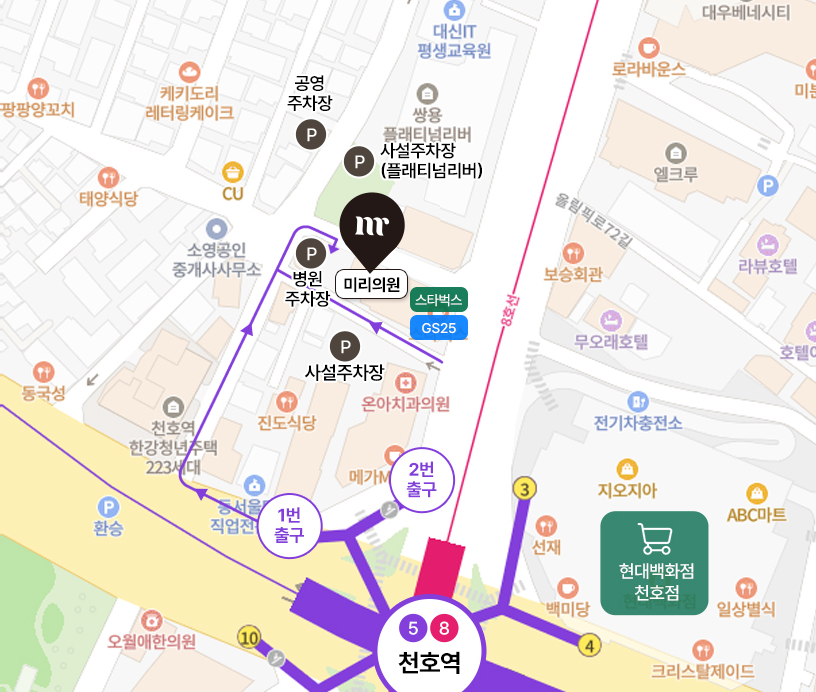
These hours suggest a few sensible choices. If you want a check-in before you leave, avoid scheduling the procedure on your last weekday in Korea, and remember that Sunday and holidays leave no option for an in-person visit. A Thursday visit starts only in the afternoon, so a morning flight plan does not combine well with it. The clinic is near Cheonho Station in Gangdong, so travel time from a central Seoul hotel is something to check on a map. You can see the address on the Location & Hours page.
Ask your doctor directly whether a return visit is advisable for your case and when it would fall. If you will be gone by then, ask what you should do from abroad and how to share photos with the clinic. The clinic lists a phone line and messaging channels in its materials, but do not assume any particular remote service until the clinic confirms it.
What should I ask before I fly home?
Before you fly home, ask what to do if the spot changes, who can advise you remotely, and what a local doctor should know about your treatment. Having these answers written down makes it easier to get help in your own country if you need it. Costs for any extra visit are not listed here, so ask the clinic about pricing when you book.
- What should the treated area look like over the coming days, and what would be unexpected?
- How long should I protect it from sun and friction, and what products are acceptable?
- Is a check-up needed, and can it fit before my departure?
- If a doctor at home asks, what exactly was done and how should I describe it?
Suitability, results and recovery differ by person and are explained at consultation. You can read about the treatment on the clinic's Mole removal page, and the clinic accepts bookings through its online booking page.
 Naver Map
 KakaoMap
 Miri Clinic Blog