International patients considering mole removal should know that it begins with a careful look at the spot itself, not with the procedure, and this is how it is approached at Miri Clinic in Gangdong, Seoul. The clinic lists mole removal among its skin and aesthetic treatments and describes its approach as one that decides direction through consultation and checking rather than putting results first. This article covers what a first visit usually involves, what to ask, and the practical details that matter when you are travelling or living abroad. You can also read the clinic's own page on mole removal for the treatment overview.
Why does a mole need to be assessed before it is removed?
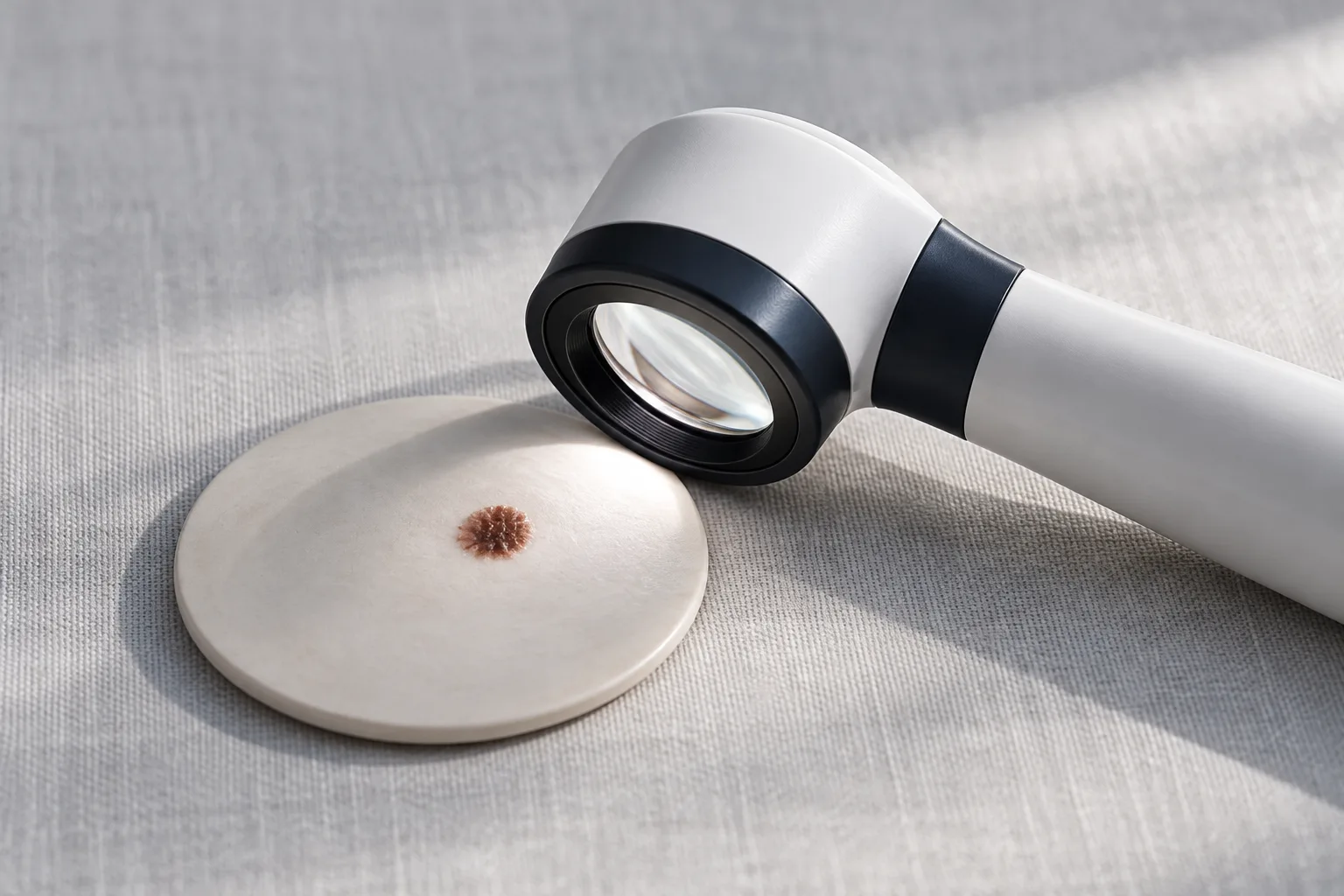
A mole is a cluster of pigment-producing cells in the skin, and not every dark spot is the same kind of mark. Because some spots can look alike while being different in nature, a doctor needs to examine the area before any plan is made. Whether removal is suitable, and by which method, is decided individually at consultation.
This is one reason doctors prefer to look at a spot in person instead of judging from a photo. If you have a mole that has recently changed, tell the doctor early in the visit, since this affects how the spot is approached.
The clinic's materials stress a detailed diagnosis that considers skin condition, skin thickness and overall impression, and then guides each person toward a direction that suits their individual features. For mole removal, that means the conversation comes before any decision on method.
What happens at a mole removal consultation?
At consultation the doctor looks at the spot, asks about its history, and explains whether and how it can be treated. Nothing should be decided until that explanation is complete. You are free to ask questions and to take time before agreeing to anything.
The clinic describes its way of working as cautious: it does not put the outcome ahead of the process, and it decides direction after consultation and confirmation. It also says it aims for natural change and avoids excess, which is a useful frame for a facial mole, where the surrounding skin and overall expression matter as much as the spot.
Useful things to raise at the visit:
- How long you have had the mole, and whether it has changed in colour, size or shape.
- Whether the mole is on the face, neck or body, and any areas where clothing or shaving rubs against it.
- Your skin history, including any past reactions to treatments.
- What the area is likely to look like while it settles, and how the clinic guides that period.
- Whether the spots you have in mind can be handled together or should be planned in stages.
Results and recovery differ by person, and the doctor explains what applies to you at consultation.
Is mole removal related to other pigment treatments?
Mole removal sits near other pigment care, but it is not the same thing as treating a broad pigment concern. A mole is a defined spot, while melasma and similar concerns are patchier and handled differently. The clinic keeps these as separate items on its treatment list, so it is worth telling the doctor exactly which concern brings you in.
The clinic lists melasma treatment and RevLite SI (toning) among its offerings, and it presents mole removal on its pigment and mole page. If you have both a few distinct spots and a wider tone concern, ask how the two would be sequenced and whether one should come first. You can browse the wider Pigment & Mole section to see how these topics are grouped.
As plain general advice, mention all of your skin concerns at consultation, including any other treatment you are planning for the same area. That lets the doctor take your moles into account when planning the rest of your care.
What should visitors from abroad plan for?
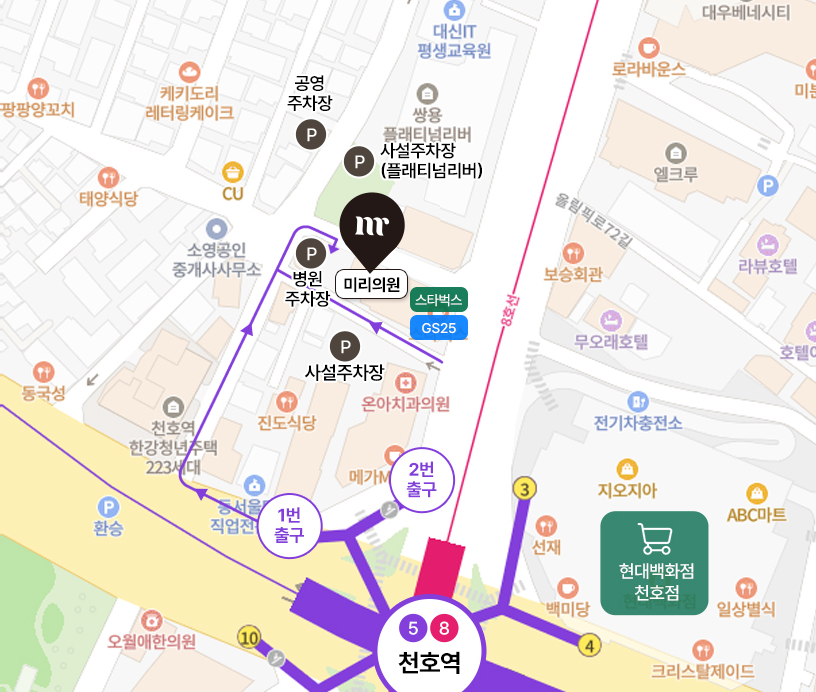
Plan your visit around the clinic's opening hours and leave room for follow-up questions, since a treated spot may need to be checked afterwards. The clinic is in Gangdong, Seoul, at Olympic-ro 651, on the fourth floor of the Yekyung Building, in the building with the Starbucks in front of Exit 2 of Cheonho Station. Details are on the Location & Hours page.
Hours listed by the clinic are as follows:
- Monday, Wednesday and Friday: 10:00 to 19:00.
- Tuesday: 10:00 to 20:00.
- Thursday: 14:30 to 20:00.
- Saturday: 10:00 to 15:00.
- Closed on Sundays and public holidays.
- Lunch break: 13:00 to 14:00, except on Saturday.
Because the clinic describes an aftercare process that explains the recovery course, it makes sense to avoid scheduling a mole visit on the last day before a flight. Ask the doctor at consultation how the area is expected to look in the days after, and how you would reach the clinic if you have a question once you are back at your accommodation or home.
Costs for mole removal are not listed here. Please ask the clinic about pricing at consultation, and note that the clinic states cosmetic procedures carry a separate value-added tax. The clinic's materials mention English and Chinese guidance for foreigners living in Korea, but they do not describe other services for overseas visitors, so confirm any specific need directly when you contact the clinic.
Once you have your questions ready, you can reach the clinic through the Online Booking page.
 Naver Map
 KakaoMap
 Miri Clinic Blog