
The aftercare to plan after skin care as a visitor from abroad is a simple routine of gentle skin handling, sun protection, careful observation and a clear follow-up arrangement, all agreed with your doctor before you travel home. At Miri Clinic in Gangdong, Seoul, skin care sits within a practice that describes having a post-treatment management process and guiding patients through recovery. This article explains how to turn that into a practical plan for a short stay. For the wider picture of the service itself, see What Should International Patients Know About Skin Care?
Why does aftercare need extra planning when you are visiting from abroad?
Aftercare needs extra planning because the person who treated you will not be a short trip away once you leave Korea. Skin can look slightly different in the days after a visit, and you will be managing that in a hotel, on a flight and then at home. Deciding in advance what you will do, and who you will contact, removes most of the guesswork.
The clinic's materials describe a systematic aftercare approach: it considers symptoms that can occur after a procedure and offers guidance on the recovery process. That is a sign the clinic expects to talk about aftercare, so you can ask for specifics at your consultation rather than waiting until a concern appears. Skin care is a broad category, and what it involves for you depends on your skin condition, the thickness of your skin and your overall impression, which the clinic says it considers when choosing a direction. Because of that, your aftercare plan should be personal, not generic.
- Ask what your particular visit involves and what is usual afterwards.
- Ask which products and habits to pause or continue.
- Ask how to reach the clinic if you have a question after you leave.
What should I ask at the consultation about aftercare?
Ask your doctor to describe, in plain terms, what you may notice on the skin after your visit, how to look after it, and what would be a reason to get in touch. Suitability, results and recovery differ from person to person, so these answers are specific to you and explained at consultation.
The clinic lists several device-based options within its skin and aesthetic services, including 10THERMA (radiofrequency lifting), Doublo Gold (ultrasound lifting), Ultherapy PRIME (ultrasound lifting), RevLite SI (toning) and LDM. Each does something different, so the aftercare conversation can differ too. If your plan includes one of them, ask about that device specifically instead of assuming one set of instructions covers everything.
A short list of questions to bring
- What should my skin look and feel like in the first days, and what would be unusual?
- Which skincare products, makeup and sun-exposure habits should I adjust, and for how long?
- Are there activities in my travel plans, such as swimming, saunas or long walks outdoors, that I should reconsider?
- Is there anything I should avoid on the flight home?
- How do I contact the clinic if I have a concern after I leave Seoul?
Write the answers down or photograph the notes on your phone, so you can refer to them later without relying on memory.
How should I look after my skin in the days after a visit?
In general, look after treated skin gently: use mild cleansing, avoid rubbing or picking, keep it moisturised if your doctor agrees, and protect it from strong sun. These are widely used principles for skin that has just had a treatment, but the details depend on what was done, so follow the instructions you are given over any general advice.
Sun is especially relevant for a visitor, because trips often involve walking around a city or sightseeing. Pigment-related concerns in particular can be sensitive to sunlight, and toning is among the options the clinic lists, so ask how strictly to shield your skin and which products your doctor prefers. Hats, shade and sunscreen are common-sense habits, but let your doctor confirm what is suitable for your skin.
Plan lighter days after treatment. Leaving buffer time in your itinerary means you can rest, observe your skin and avoid situations that irritate it, such as crowded, hot or very dusty places. Do not plan an important event or photo shoot immediately afterwards, because how quickly skin settles varies by person.
How do clinic hours affect my follow-up plan?
Clinic hours matter because any in-person check has to fit both your stay and the clinic's opening times. Miri Clinic is open Monday, Wednesday and Friday from 10:00 to 19:00, Tuesday from 10:00 to 20:00, Thursday from 14:30 to 20:00 and Saturday from 10:00 to 15:00. It is closed on Sundays and public holidays, and lunchtime is 13:00 to 14:00 except on Saturdays.
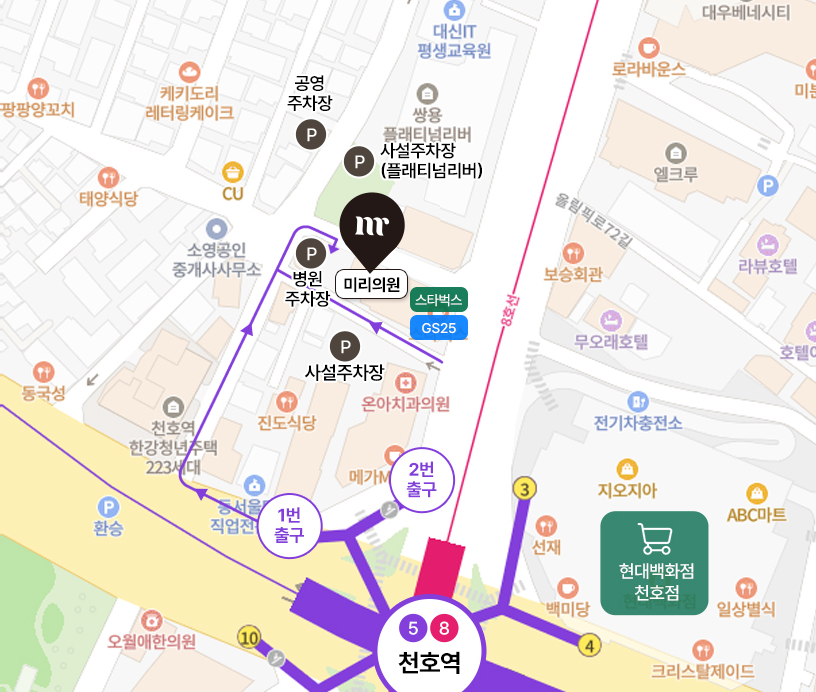
These hours suggest a few practical choices. If you would like the option of an in-person check, avoid scheduling your treatment so close to departure that you could not return, and keep in mind that Thursday opens later in the day and Saturday closes earlier. Check for public holidays on your travel dates, because the clinic is closed then. The clinic is in Gangdong, Seoul, and its location and hours page gives the address and directions, so you can judge travel time from your accommodation.
Whether a follow-up visit is needed at all is a medical decision for your doctor, and it depends on what you have had done. Ask at the consultation, not after you have booked your flight.
What should I do if something feels wrong after I get home?
If something feels wrong after you get home, contact the clinic promptly with a clear description and, if you can, photographs, and seek local medical care if you are worried or the situation feels urgent. Do not wait for a scheduled check if you are concerned, and do not rely on guesses from the internet.
The clinic lists a phone number, 02-470-1175, and channels including KakaoTalk and Naver, which you can use to ask questions. Keep that contact information saved before you leave Korea. Because Korea is in a different time zone from your home, remember the clinic's hours when you decide when to write or call.
A few habits make any remote conversation easier:
- Keep a short note of what was done and the date of your visit.
- Photograph the area in similar lighting each day so any change is easier to describe.
- Keep a list of the products you are using.
- Bring the written instructions with you if you need to see a local doctor, so they know what you had done.
Costs, including anything related to follow-up, are explained at consultation, so ask the clinic about pricing directly. When you are ready, you can look at the clinic's skin care page for the service overview and arrange a consultation through the clinic's online booking.
Learn more: Skin care
 Naver Map
 KakaoMap
 Miri Clinic Blog